
Celiacs in Fantasy
Torn stared down at the rice bowl before her, trying to hide the dread overtaking her.
She was a guest. It would be rude to turn down their host’s meal.
But there were cut vegetables mixed in. Had they cut on a cutting board that had also been used for bread? And the flakes on top—were those fried onions dipped in flour? And if so, was it wheat flour or rice flour? What was in the sauce drizzled over? If it was made from soy sauce, then there was wheat in it and the whole bowl was contaminated. Actually, had Torn made sure the host had cleaned the bowls properly? What if they’d used a rag that had also wiped down the bread board? Then everything that rag touched would be contaminated, and then Torn’s insides would be twisted up, and then—
“Everything all right, dear?” The host, an elderly woman said between mouthfuls of rice.
Torn gulped and forced a smile. “I’m… actually not that hungry,” She lied, painfully aware of the ache in her belly. She set the bowl down. “I guess that means I need to work up a better appetite tomorrow, huh?”
The elderly woman nodded and then dove back into her delectable bowl. Torn looked down longingly at her untouched rice and salmon. She’d eat dried jerky later… Again.
After my diagnosis of celiacs disease in 2023, it dawned on me that I can’t think of many fictional characters with autoimmune diseases. In fact, I could think of none that had celiacs. A quick search online proved me right; there’s no list of characters with celiac disease. Plenty of real-life celebrities, though (Deborrah Ann Wolf, for example).
(I did find one book with a main character with celiacs: The Second Mango by Shira Glassman. Seems I have another book to add to my list.)
I wasn’t baffled by this lack of representation, however. Most people in the real world are ignorant of celiacs disease, which would then mean most authors are as well. And because celiacs is, for the most part, fairly invisible as an autoimmune disease, it makes sense that any authors wouldn’t bother exploring the disease in media. On the surface, those with celiacs disease work pretty much like everyone else; not a lot to overcome and therefore not pertinent to storytelling (although whether a disease or disability should be ‘overcome’ for it to be useful in a story is a whole discussion that we’re just going to put a pin in for now).
So let’s dive into a topic that is near and dear to my heart—er, gut?— and talk about celiac disease!
Wait, Didn’t You Already Talk About This?
Technically, yes, but that was in my 2024 update and it was focused on my own diagnosis. It didn’t dive too deeply into the topic; it was mostly me ranting about my new gluten-free life.
So What is Celiac Disease?
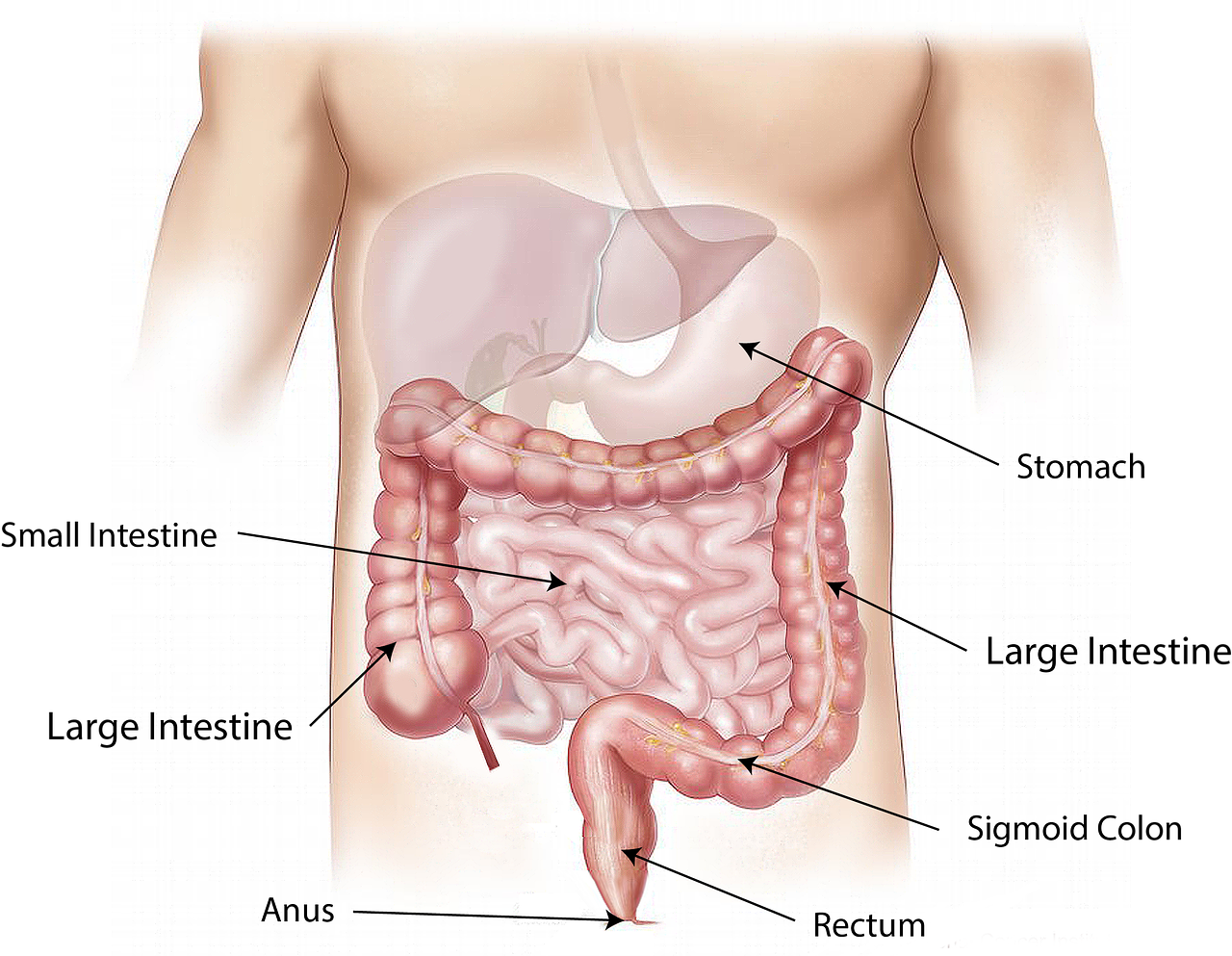
Celiac disease is an autoimmune disease where your body’s immune system starts attacking the lining of your upper intestine when you eat gluten. That’s where the “auto” comes in from the “autoimmune disease”; your body starts attacking itself.
Here’s the thing: it’s a bizarre autoimmune disease. The disease shared characteristics with allergic reactions in that you must be exposed to gluten to trigger the reaction. That’s not a normal autoimmune response.
(Not that an autoimmune response is “normal,” but that’s another discussion for another day).
Let’s talk about gluten. Gluten is a protein found in a few grains like wheat, barley, and rye. It’s key for being super springy and adhesive (it’s responsible for holding in all those bubbles when you cook your bread and makes it “chewy”). Gluten is also in practically everything, like breads, cosmetics, sauces, and even tea. Yes, tea: barley is added to some teas to enrich the earthy tones. It’s great (she said sarcastically).
Also, the gluten in Europe isn’t different in any way. The myth that somehow the European gluten is “healthier” is flat out wrong. If it were true, there wouldn’t be any celiac patients in Europe. A lot of celiac research has been done in Europe. Italy has grocery stipends for celiacs. Stop. The. Myth!
Which part of the gluten protein(s) might set off the celiac disease? This is a good question, because we can usually pinpoint which section of a given protein is truly the culprit of setting off the immune response. However, I was unable to find any research on that. If anyone actually knows this answer, though, send me the paper and I can update this section!
Nowadays, celiac disease diagnosed in a few steps:
1) Doctors do a blood test to look for specific IgA antibodies (see below). Too many means that your body is reacting to gluten.
2) They then look at your gut through an endoscopy and determine how bad a shape it’s in.
3) They then take a sample from your small intestine and look at how many immune cells are around in the tissue sample. This is called histology. Too many immune cells = your body is having sending your own immune cells to hurt your small intestine.
4) They have you take out gluten all together and see if you improve.
If all of your horrible symptoms vanish from taking gluten out (combined with any of the findings from above), you have celiac disease. Congrats!
Mechanism of Disease
Ah, so I think I’ve mentioned in previous Instagram posts or similar social media posts that celiac disease works via the production of self-identifying antibodies, specifically transglutinase IgA. IgA means that it’s a type of antibody produced in your gut, and transglutinase (tTG) is a protein produced by the cells lining your gut. Therefore, it stands to reason that when you eat gluten, what should logically happen is that your immune system begins to produce these self-identifying tTG antibodies that then latch onto your own cells. This then leads to the rest of the immune system targeting and destroying your gut cells. That’s effectively what happens in Diabetes type 1, so that should be kind of what happens in celiac disease… Right?
Or…That’s how it was described to me by my doctors back in 2023, and I’ve held onto that explanation.
However, recently I got my hands on Janeway Immunology textbook, the go-to textbook for graduate level immunology, and flipped to the celiac section out of curiosity (which I hadn’t done back in graduate school. Very “un-Becca” of me, to be honest). And it says, “[the] Autoantibodies against [your own] tissue transglutaminase are found in all individuals with celiac disease, but there’s no evidence that they contribute directly to tissue damage.”
I had a bit of an identity crisis at this moment. What do you mean you can see and measure these autoantibodies that we use to diagnose the disease (that’s how I was diagnosed: the presence of these autoantibodies) but they may not actually do anything in the disease?! Do they just float in your blood for funsies? What is happening?!?
Turns out, they’re not sure what those antibodies are doing exactly. Okay, that’s actually not true: there are studies that have found that the antibodies in question do modulate the gut barrier functions, but the jury is still out on which antibodies celiacs produce that drive the damage we see in the gut.
BUT, we do have T-cells and B-cells that contribute to the disease symptoms, so we know that your adaptive immune system is at play (reminder: the adaptive immune system is what vaccines train to produce antibodies against diseases).
The presence of gluten triggers not only your adaptive immune system (with T-cells and B cells joining the fray), but gluten exposure can lead to chemical release in the gut, leading to your innate immune system (platelets, white blood cells, non-specific disease defenses) being activated. Therefore, gluten exposure is doing double duty on your immune system.
Are There Treatments?
The only treatment is to completely avoid gluten like the plague. Scrub all your cooking utensils until they’re dull’, put everything through the dishwasher twice, and donate all your cutting boards (they’re not worth how much it takes to truly de-gluten them). Remove all the flour in your kitchen. Scrub everything thrice.
I’ve heard of some celiac patients who can live in a shared space with folks who cook with normal all the time. I’m unfortunately too sensitive for that.
I do know someone who claims to be using an enzyme that “destroys the disease-triggering part of gluten” (kind of like the lactase people take if they’re lactose intolerant), but I’m too scared to try it. The product isn’t regulated by the FDA, and I’ve had too many issues with “medications” that haven’t been thoroughly tested. What little I have found about the “testing” is that some folks can find relief in the symptoms when using the enzyme, but that could also be explained by the placebo effect (remember, not all celiacs are super sensitive to gluten, and can handle some exposure. If you weren’t super sensitive before the enzyme, taking the enzyme won’t change much).
A few treatment myths to bust in this section: NO, you can’t “bake off” gluten. You can’t “sanitize” a pan by sticking it in an oven for hours. The gluten protein is still on the pan even after all of that, and will absolutely trigger a response. Trust me; I can attest. You also can’t “desensitize” a celiac patient to gluten. While there are allergy-like traits to celiacs, you can never desensitize someone to gluten. It’s fundamentally an autoimmune disease, not an allergy.
Symptoms
There’re over 200 symptoms for celiac disease, unfortunately. The most common symptoms (I’ve been told by doctors) is “losing weight” and “gut pain,” but that’s barely scratching the surface of symptoms. Take me, for example: I have constipation, severe arthritis, brain fog, bloating, and debilitating gut pain. Some people get rashes. Others can get diarrhea.
The sensitivity can also vary drastically between people. I’m someone who can’t even touch gluten, even after 2+ years of healing my gut. Others with the disease can handle a significant exposure to gluten, like sharing a fryer that’s had gluten swirling in the oil.
It’s very annoying when a person tries to encourage you to eat possibly contaminated food because their “first cousin-once-removed with celiacs can eat it and not get sick.” Good for them; I can’t even look at gluten without suffering for 48 hours.
Brief History of Celiacs
Let’s look at the history of celiac disease briefly: celiac disease is hypothesized to have emerged when human civilization shifted to cultivating wheat 10,000 years ago.. Now, I do need to clarify that the number in the paper refers to how long humans have been cultivating wheat, not when celiac disease was first recorded. The first written record that I’ve found was by Aerates of Cappadocia in ancient Rome. He named this gut disease “koeliac affliction” (with “koeliac: meaning “abdomen”).
We also have a skeleton of a young adult woman from 1st century Italy who had the gene mutation common for celiac disease as well as damage to her skeleton reminiscent of the damage found in untreated patients.
And then there’s a biiiiiig gap in the research until 1888, when Samuel Gee penned the first medical description of celiac disease. Jump to the 1920’s where Dr. Sydney Haas starts recommending the famous “banana diet” to cure celiac disease which did save a lot of children’s lives… Not because bananas actually cured anyone, but because eating a high-calorie gluten free diet is shockingly effective. Gluten wasn’t identified as the culprit of the disease until the 1950’s.
How To Incorporate into Stories?
How do we use this abbreviated history lesson in a fictional setting? Well, if you want to be boring, then you wouldn’t have many characters with celiac disease because they probably wouldn’t survive. At least that’s what it seems like historically; the prevalence was reportedly low because survival was low.
Or, your celiac characters could be misdiagnosed with some form of mental illness, much like Blaise Pascal of the 1600’s whose “hysteria” may have been symptomatic of untreated celiac disease. I use “hysteria” in quotes because that’s the terminology used back in the day, and not a modern catch-all term for mental illnesses. I myself was misdiagnosed with depression until we later discovered that I simply had celiac brain fog combined with insomnia from my gut pain keeping me up all night.
Let’s make it more interesting though; let’s say your fictional setting has the means to deduce that celiac disease is linked to gluten exposure (or at least wheat exposure). You could have the culture figure out the cause much like our historical physicians: take wheat away due to famine or war and then find that certain people got better. The character with the disease will know to avoid certain foods and would probably eat a more rice-based died.
They won’t be able to easily eat at other people’s houses without bringing their own. In settings without dishwashers, it’s hard to properly clean off all of the gluten contamination by hand. These characters would probably have their own travel set of kitchenware to be safe. In fact, traveling may be difficult for these characters because of how much precautions they must take. If they can’t understand a culture’s language, they may not want to eat anything presented to them as they can’t properly ask if the food has wheat or barely in it, or if the food has been cooked on contaminated cookware.
…Okay, this is not unique to fictional settings. This is how I get around as a celiac IRL. It’s the hard reality of the disease.
The character may choose to stay away from food-based events, isolating them. It absolutely sucks to not be able to eat when everyone else around you is, so sometimes the isolation feels better. The character may become overwhelmed in keeping track of all the possible cross-contamination and begin to cry in the middle of groceries. The character may finally snap at another character when the severity of their disease is doubted (which happens quite often; remember that the symptoms don’t show up until exposure, so you come across as perfectly healthy). The character may roll their eyes when asked if they have a mere intolerance (they wish).
The character may have to restrain the urge to strangle character B when they’re told again that character B “would die without bread!”
(Yeah, that one gets real annoying.)
In any case, celiac disease alters how your character navigates the world, especially around food. And food is a major cornerstone of any culture, so the interplay of fantasy culture and disease could be fascinating.
Takeaways?
This is a fantastic time to announce that in the book I’m writing, I have a character with celiac disease! I can’t spoil how the disease comes into play, but it’s during one of the funniest chapters I’ve ever written.
Moving past my tiny self-promo, we need more celiac representation! I mean, we need more representation in books in general, not just for my own autoimmune disease, but it needs to be stated nonetheless!
Go write those celiac characters! And send me stories with celiacs in them; I need my rep!